Linktree solved a real problem. Instagram only gives you one link in your bio, and you have more than one thing to promote. Fair enough. But somewhere along the way, authors started treating Linktree like it was their website. It's not. It was never supposed to be.
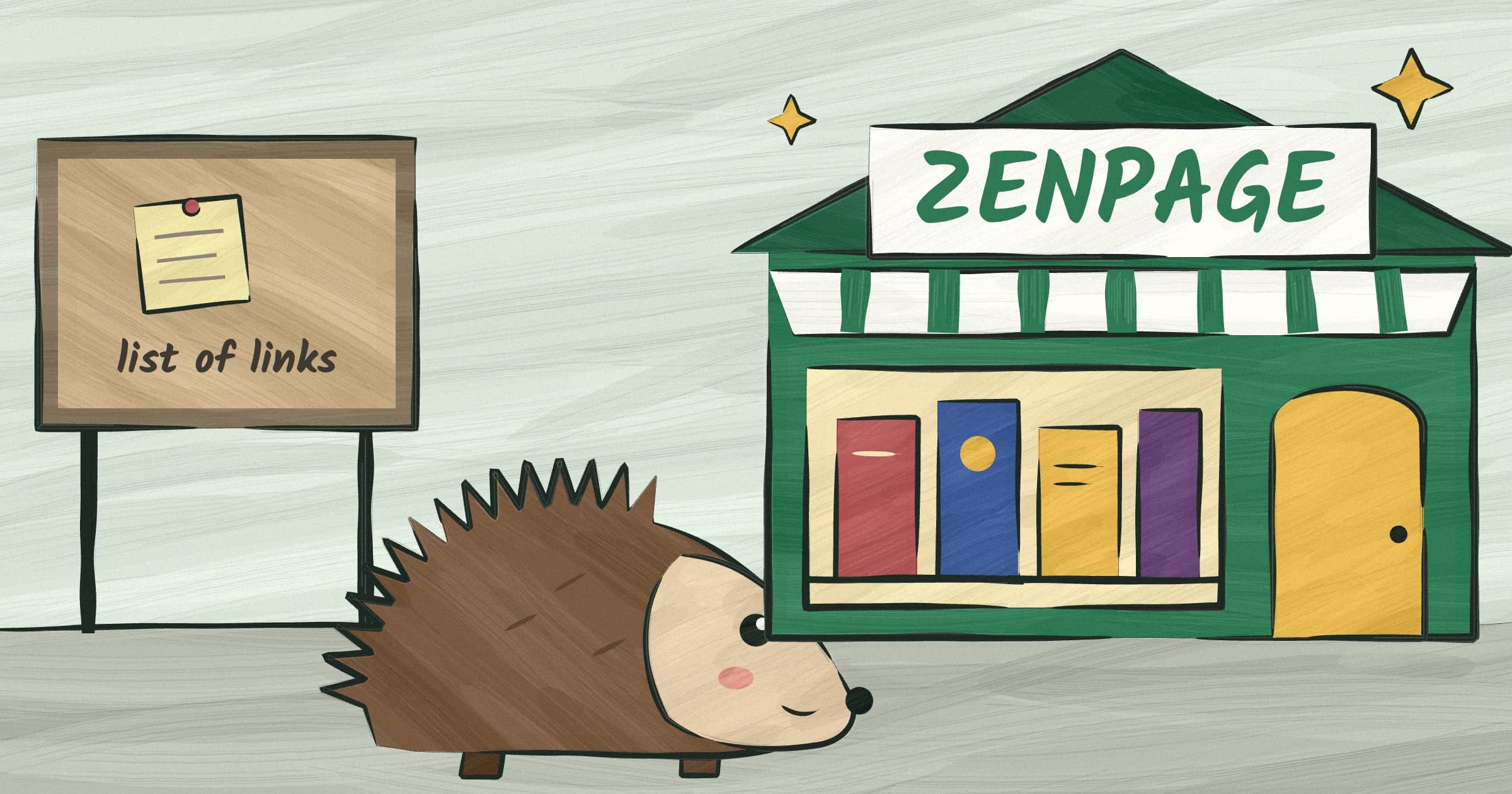
A Linktree is a list of links on someone else's domain. That's it. That's the whole product. Calling it your "online presence" is like calling a Post-it note on a bulletin board your office.
What Linktree actually is (and isn't)
Linktree is a page at linktr.ee/yourname with a stack of buttons. Each button goes somewhere else. The page itself does almost nothing.
There's no space for your book covers. No room for a bio longer than a sentence. No blog. No newsletter signup. No way to show a reader what you write, why they should care, or where to start. If you're unsure what a proper author site should include, our author website checklist lays it out page by page. It's a routing tool. It routes people away from itself as fast as possible.
And that's fine for what it is. A utility. A workaround for platforms that limit your links. The problem is when it becomes your only thing.
Linktree is a tool. It's not a home base. Tools are great when they serve a strategy. They're terrible when they are the strategy.
What happens when a reader lands on your Linktree
Let's say someone hears about your book at a book club. They pull out their phone, find your Instagram, and tap the link in your bio. They land on your Linktree.
They see six buttons. "My Books." "Newsletter." "Instagram." "TikTok." "Podcast Interview." "My Blog (WordPress)."
No cover art. No description. No sense of who you are or what you write. No context for why they should care. Just six doors with labels. The reader has to guess which one matters.
Most of them click "My Books," which takes them to your Amazon author page. Now they're on Amazon, which is designed to keep people on Amazon, not to sell your specific book. They're surrounded by "readers also enjoyed" carousels pointing to other authors. They browse for four seconds, get distracted by a competing title with a better cover, and leave.
You have no idea they were ever there. You can't email them. You can't remind them your next book comes out in March. They came, they saw six buttons, they left. That's the entire relationship.
Now multiply this by every reader who ever tapped that link. Hundreds of people, maybe thousands, all funneled through a page that gave them zero reason to remember you.
What happens when a reader lands on your website
Same scenario. Book club. Phone. Except this time, the link goes to your author website.
They land on your homepage and the first thing they see is your latest book. Cover art, front and center, the way good author website design demands. A one-line hook underneath. A buy button right there. They don't have to guess what you write. It's obvious.
They scroll a little. There's your bio with a photo. Two sentences about who you are and what you're about. They think "oh, they seem interesting."
Below that, your other books. Maybe a blog post about your writing process. And at the bottom, a newsletter signup. "Get an email when my next book comes out." Simple. Low commitment.
They sign up. Now you have their email address. You didn't pay for it. You didn't run an ad. You just had a page that told a clear story and made the next step obvious.
Six months later, your new book launches. You send one email to your list. That reader from the book club opens it, remembers who you are, and buys it. Maybe they tell a friend. Maybe that friend visits your website too, and the cycle repeats.
This is how author careers compound. Not through viral moments or algorithm hacks. Through a slow, steady accumulation of people who know your name, like your work, and hear from you when it matters.
That's the difference. One path loses the reader in four seconds. The other turns them into a fan who buys your next book.
Can you use both?
Yes. This isn't an either/or situation. Linktree and a website can coexist. The question is which one gets the spotlight.
Put your website URL in your social media bios. That's the priority. Your website is the destination. If you still want a Linktree for platforms that benefit from multiple links, go for it. But make your website the first link on the list. The big one at the top.
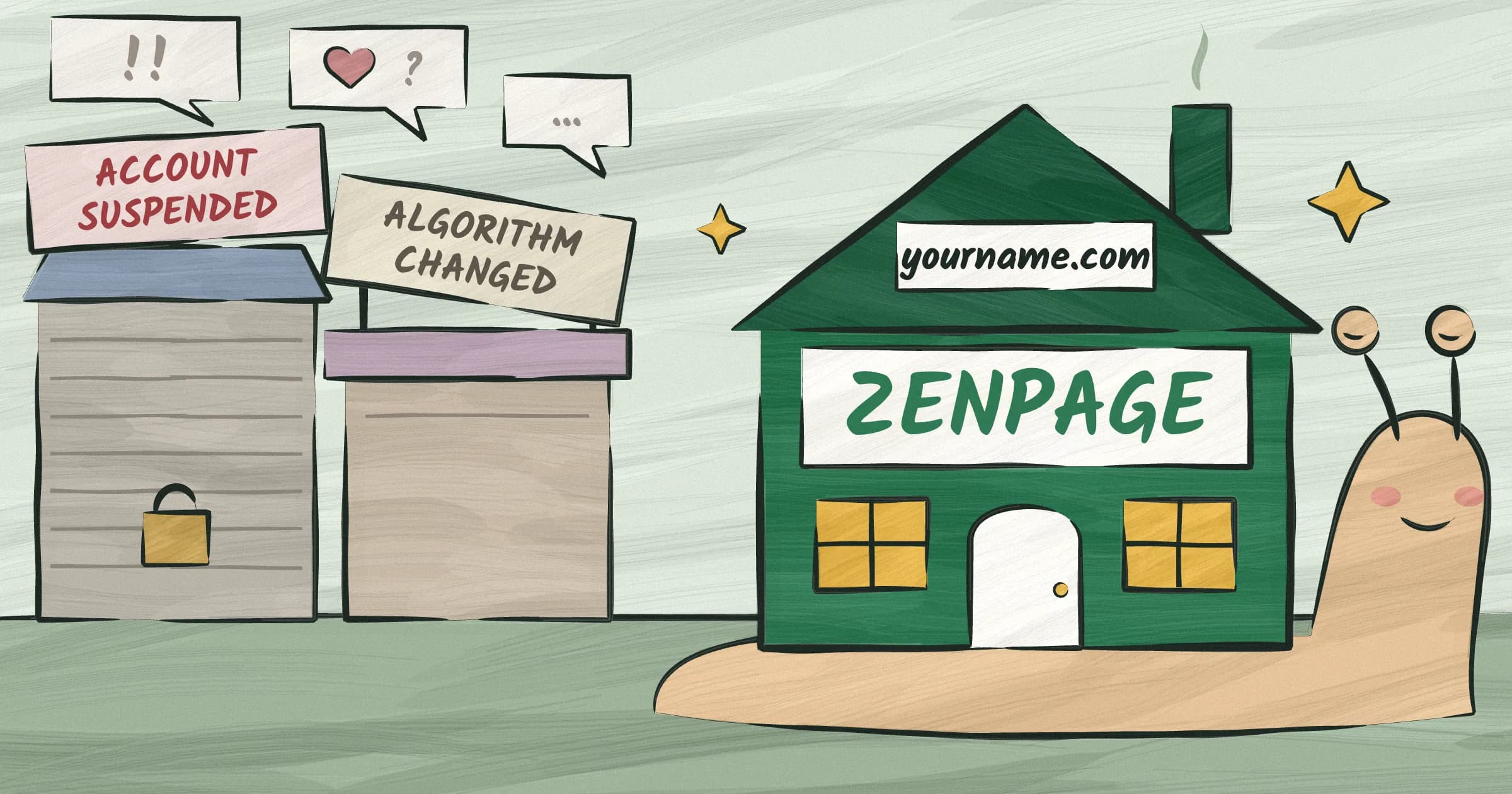
Here's the thing, though. If you have a proper author website, you don't really need Linktree. Your homepage IS your link page, except better. It has your books, your bio, your newsletter, your blog, and links to everywhere you exist online. All in one place, on a domain you own, looking exactly the way you want it to look.
Linktree gives people a list of places to go. Your website gives people a reason to stay.
Think about how you use links in practice. On Instagram, your bio link goes to your website. On TikTok, same thing. On your podcast appearances, you say "visit my website." You're already sending people to one place. Make that place count.
The SEO gap Linktree can't fill
This is the part most authors don't think about until it's too late.
Linktree pages don't rank in Google. Not for your name, not for your book titles, not for anything. They're not designed to. There's almost no text content on a Linktree page, no headings, no paragraphs, no keywords. Google has nothing to index.
So when someone types your name into a search engine, your Linktree won't show up. What will show up is your Amazon page (which you don't control), your Goodreads profile (which you barely control), and maybe someone else's review of your book (which you definitely don't control).
Your website changes that. A well-structured author website with your name, your book titles, a real bio, and a few blog posts will rank for your own name within months. We wrote more about this in our post on why every author needs a website, but the short version is: if you don't own the first result for your own name, someone else does.
Your website puts you in control of that first impression. Your books, described your way, with links to the stores you choose. Not an algorithm's best guess at what's relevant. For a deeper dive on getting found in search, read our author website SEO guide.
Blog posts help even more. Every post you publish is another page Google can index, another keyword you can rank for, another entry point for readers to find you. Linktree gives you one page with six buttons. A website gives you an expanding footprint that grows every time you write something.
The real cost of "good enough"
Linktree is free. Setting up a basic author website is also free with tools like Zenpage, and our pricing page shows exactly what that means. So the cost argument doesn't hold up. For a full cost breakdown across platforms, see our author website builders comparison.
What actually costs you something is sticking with a solution that leaks readers at every step. Every person who lands on your Linktree and bounces without joining your newsletter is a reader you'll probably never see again. That's not a tech problem. That's a strategy problem.
Think about it in numbers. Say 500 people click your Linktree link this year. Maybe 60% click through to Amazon, browse for a few seconds, and leave. The other 40% don't click anything at all. Zero email signups. Zero return visitors. Zero people you can contact when your next book launches.
Now imagine those same 500 people landing on a real website. Even if only 5% sign up for your newsletter, that's 25 new subscribers. Over two or three years of consistent writing and publishing, that list grows into something powerful. Something no platform change, algorithm update, or TikTok ban can take away from you.
The authors who build sustainable careers aren't the ones with the most followers. They're the ones who convert casual readers into email subscribers, and email subscribers into repeat buyers. A Linktree can't do that. A website can. If you want to see what the best author sites actually look like, browse our top 3 author website examples.
Replace your Linktree with something that actually works for you
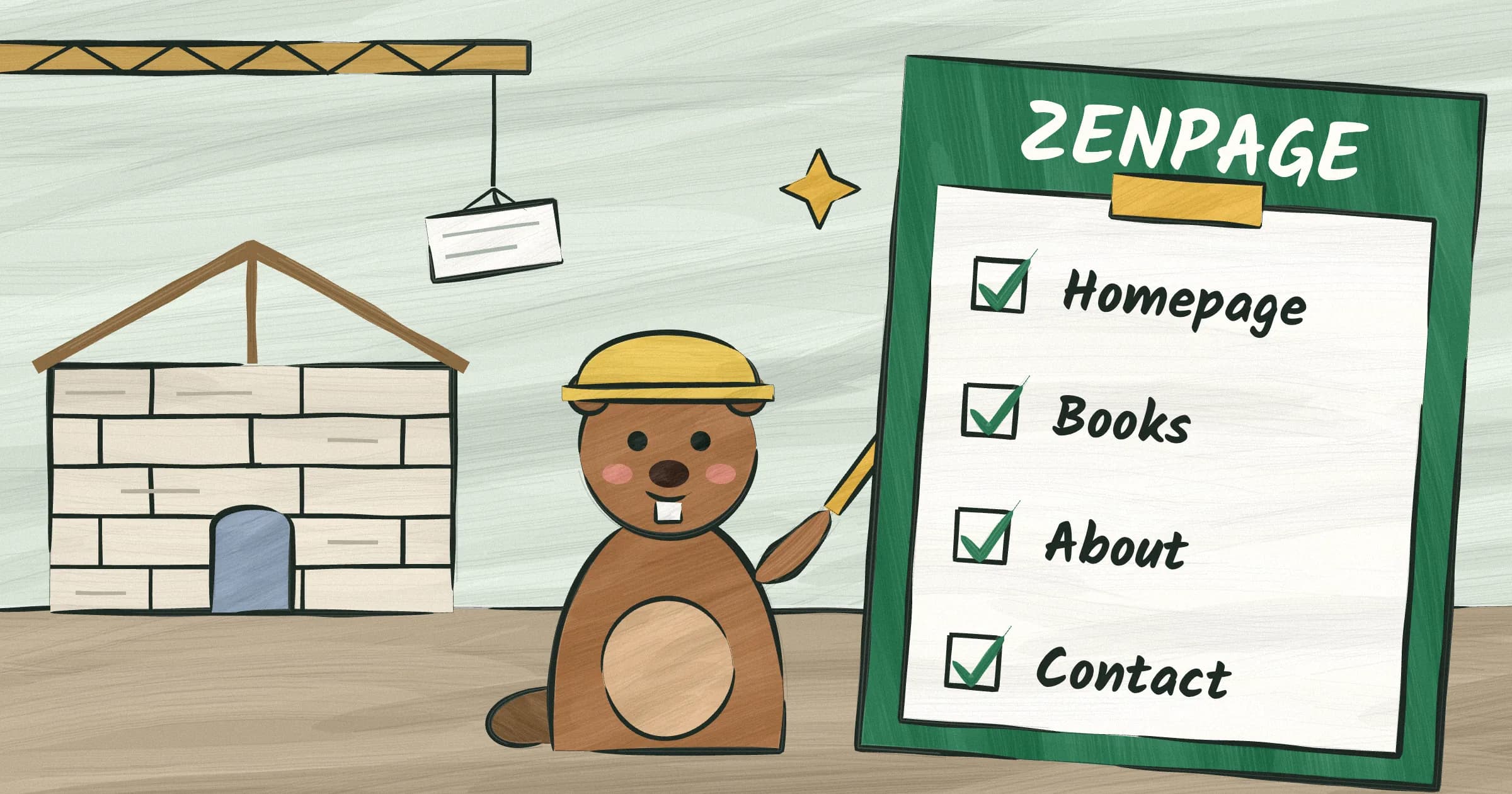
You don't need to spend a weekend learning web design. You don't need to hire someone. You need a page that shows your books, tells people who you are, and captures emails. That's it. Pick a template that matches your genre and you're most of the way there.
Zenpage is free and takes about 15 minutes. Pick a template, add your books, write a short bio, connect your newsletter, and publish. You can even sell ebooks directly from your book pages with no commission. You'll have a real author website before your coffee gets cold.
Then update your Instagram bio. Replace the Linktree URL with your new website. Do the same on TikTok, Twitter, Facebook, wherever you post. Watch what happens when readers land on a page that was actually built for them.
Your readers deserve better than a list of buttons on someone else's domain. Give them a place that's actually yours. Give them somewhere worth landing. If you need help writing the bio for your new site, our author bio guide walks you through it. And if you have questions about getting started, check the FAQ or get in touch.